|



MPAA & RIAA: If People Can Sell Foreign Purchased Content Without Paying Us Again, US Economy May Collapseby Mike MasnickTechdirt Sep. 21, 2012 |
Popular 
IDF Soldier Takes Sledgehammer to Jesus Statue During Operations in Lebanon
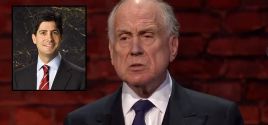
Trump Expected to Pick Kevin Warsh, Son-in-Law of Zionist Billionaire Ron Lauder, as Fed Chair
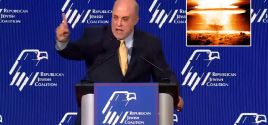
Mark Levin and Jonathan Pollard Push for Nuking Iran
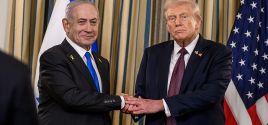
Reuters: Trump Approved Iran Strikes After Speaking With Netanyahu
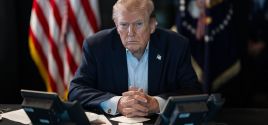
Trump Says U.S. Sent 'A Lot of Guns' to Iranian 'Protesters'

|
 We've written a few times about the upcoming Kirtsaeng case before the Supreme Court concerning first sale rights. If you don't recall, the 2nd Circuit appears to have wiped out the first sale doctrine for content purchased outside the country that you want to resell within the US. As we noted, there are significant worries about how such a ruling could really harm innovation. At issue was a guy who bought textbooks abroad and resold them in the US (for less than the cover price that the publishers wanted students to buy). The courts basically found that because the textbooks were made outside the US, they weren't "lawfully made under this title," which is some clumsy phrasing that's at issue here. Of course, thanks to our copyright maximalism, under Kirtsaeng, if a product is made outside the US and then imported, US copyright law appears to apply to almost everything that's copyrightable... except that first sale rights go away. If that seems dangerous, you get a sense of how important the Supreme Court's ruling in Kirtsaeng can be, hopefully by bringing back some sanity, and showing that if you legally purchase some digital content you have the right to resell it. It appears that the RIAA and MPAA are pretty scared about this possibility. They've filed quite the amicus brief in the case claiming that buying goods overseas and selling them in the US is the equivalent of piracy. No joke. Read More |