|



Secret papers shed light on killings as troops pull outCivilian deaths were seen as the cost of doing business, writes Michael Schmidt.Sydney Morning Herald Dec. 16, 2011 |
Popular 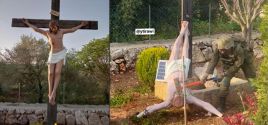
IDF Soldier Takes Sledgehammer to Jesus Statue During Operations in Lebanon
Mark Levin and Jonathan Pollard Push for Nuking Iran
Trump Says U.S. Sent 'A Lot of Guns' to Iranian 'Protesters'
Reuters: Trump Approved Iran Strikes After Speaking With Netanyahu
Trump Appears to Surrender Strait of Hormuz to Iran, Tells Allies to 'Go Get Your Own Oil'

|
 BAGHDAD: One by one, the marines sat down, swore to tell the truth and began to give secret interviews discussing one of the most horrific episodes of America's time in Iraq: the 2005 massacre by marines of Iraqi civilians in the town of Haditha. ''I mean, whether it's a result of our action or other action, you know, discovering 20 bodies, throats slit, 20 bodies, you know, beheaded, 20 bodies here, 20 bodies there,'' Colonel Thomas Cariker, a commander in Anbar province at the time, told investigators as he described the chaos of Iraq. At times, he said, deaths were caused by ''grenade attacks on a checkpoint and, you know, collateral with civilians''. The 400 pages of interrogations, once closely guarded as secrets of war, were supposed to have been destroyed as the last US troops prepared to leave Iraq. Instead, they were discovered with reams of other classified documents, including military maps showing helicopter routes and radar capabilities, by a reporter for The New York Times at a junkyard outside Baghdad. An attendant was burning them as fuel to cook a dinner of smoked carp. Read More |