|



White House Requests Increased Funding for Failed Student Drug-Testing, Discredited Anti-Pot Adsby Paul ArmentanoFeb. 11, 2007 |
Popular 
Netanyahu Working to Cement U.S. Aid to Israel Through 'Partnership'

DOJ Indicts Jewish Group for 'Large-Scale, Decade-Long Insider Trading Scheme'

Ben Shapiro: Trump Should 'Just Blow Up Kharg Island'

IDF Soldier Takes Sledgehammer to Jesus Statue During Operations in Lebanon
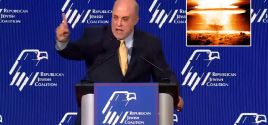
Mark Levin and Jonathan Pollard Push for Nuking Iran

|
 In a move that should come as a surprise to absolutely no one, the Bush administration's FY 08 budget requests significant increases in federal funding to randomly drug-test student athletes and pay for discredited public service announcements urging teens to avoid marijuana. According to Bush's budget request, the White House is demanding $130 million in 2008 to fund the National Youth Anti-Drug Media Campaign, an increase of 31 percent over current funding levels. Both government and independent reviews of the campaign, which has spent over $2 billion in federal monies and matching funds since its inception in 1998, have consistently found that teens most exposed to the advertisements are more likely to try pot than their peers. These include:
Since 2005, the Education Department has appropriated more than $20 million to various school districts to pay for random drug-testing programs. Federal policy stipulates that these monies may not be used to fund separate drug education and/or prevention curricula, nor may they be used to train school staff officials on how to implement drug-testing. Moreover, only federal investigators are eligible to review data collected by the school programs, which is to be evaluated as part of a forthcoming federal assessment of the efficacy of random drug-testing to deter illicit student drug use. However, a previous independent evaluation of student drug-testing programs conducted by the Robert Wood Johnson Foundation concluded, "Drug-testing, as practiced in recent years in American secondary schools, does not prevent or inhibit student drug use." Investigators collected data from 894 schools and 94,000 students and found that at every grade level studied – 8, 10, and 12 – students reported using illicit drugs at virtually identical rates in schools that drug tested versus those that did not. Separate reviews of the program have also found that the policy exacerbates negative relationships between students and teachers, and may encourage some teens to switch from readily detectable drugs like marijuana to more dangerous, but less detectable substances like cocaine, methamphetamine, and heroin. Nevertheless, despite both programs' poor track record, they've been long-standing favorites of several high-ranking drug war Republicans like former House Speaker Dennis Hastert (R-IL) and Indiana's Mark Souder – former head of the now defunct Criminal Justice, Drug Policy, and Human Resources subcommittee. Will November's Democratic takeover finally bring about tighter purse-strings to the Bush administration's sacred drug-war cows? Only time will tell, but at this stage I'm not holding my breath. February 10, 2007 Paul Armentano [send him mail] is the senior policy analyst for the NORML Foundation in Washington, DC. Copyright © 2007 LewRockwell.com |