|



Concern at effects on civil libertiesThe AustralianSep. 09, 2005 |
Popular 
From Aid to Dependency: Israeli Agent Reveals the Real Goal of 'Merging' U.S. and Israeli Militaries

ADL, Jewish Groups Lobby California to Classify Jews as a Race, 'Not Just a Faith'
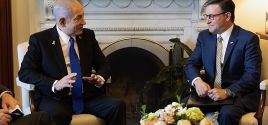
House Passes NDAA With Section 219 Aimed at 'Merging' U.S. and Israeli Militaries

Trump Welcomes 'The Highly Respected' Alan Dershowitz Into The GOP, Shills His New Book
U.S. Must Prep to 'Welcome Large Numbers of Jewish Refugees,' Pro-War Lobbyist Mark Dubowitz Says

|
 PROPOSED counter-terrorism laws had the potential to undermine free speech and propel the nation towards a police state, civil libertarians warned yesterday. Australian Council for Civil Liberties chairman Terry O'Gorman cautiously supported some measures in the Howard Government's package, including greater access to airline passenger information and increased stop, search and question powers for police. But he expressed concern about the introduction of control orders and greater laws governing the incitement of terrorism. "There is already a law criminalising incitement to terrorism. The proposal to change the law will have the effect of unacceptably interfering with free speech," Mr O'Gorman said. "What the police and intelligence services should be doing is putting that target under 24-hour surveillance, and if there is evidence that person is about to commit a crime, arrest them." Australian National University terrorism expert Clive Williams said the measures brought Australia in line with the British counter-terrorism regime but stopped well short of matching the powers of the US Patriot Act. He said the US laws allowed police and intelligence agencies to seek information about library books a person had borrowed and about their bank accounts. Mr Williams said he thought stop-and-search powers could be expanded beyond police to security guards on public transport. Australia Defence Association executive director Neil James cautiously welcomed the package, saying the changes would "make Australia safer". Mr James added: "Perhaps the only surprise was that they did not make it harder to qualify for citizenship, extending the waiting period from two years to three rather than five as in the US and New Zealand." |