|



Bullion Vaults Run Out of Space on Gold RallyBy Chanyaporn Chanjaroen, Nicholas Larkin and Debarati RoyBloomberg Sep. 21, 2011 |
Popular 
Ben Shapiro Pushes Noahide Laws at TPUSA Event, Throws a Fit Over Being Quoted Word-For-Word

From Aid to Dependency: Israeli Agent Reveals the Real Goal of 'Merging' U.S. and Israeli Militaries

ADL, Jewish Groups Lobby California to Classify Jews as a Race, 'Not Just a Faith'

House Passes NDAA With Section 219 Aimed at 'Merging' U.S. and Israeli Militaries

Netanyahu Confirms Plan to 'Merge' U.S. and Israeli Militaries

|
 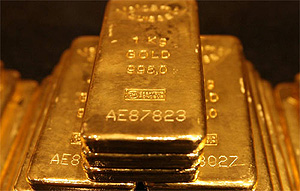 Deep in the 7.4-acre Singapore FreePort next to Changi International Airport’s runways is the bullion vault of Swiss Precious Metals, behind seven-metric-ton steel doors built to survive a plane crash or earthquake. Deep in the 7.4-acre Singapore FreePort next to Changi International Airport’s runways is the bullion vault of Swiss Precious Metals, behind seven-metric-ton steel doors built to survive a plane crash or earthquake.The rooms are almost full after demand rose fivefold in the year since the Geneva-based company opened the facility. The firm plans an extension, and relocated Chief Executive Officer Jean-Francois Pages to Singapore last month to cope with the surge of investors willing to pay as much as 1 percent of the value of their holdings each year to keep them secure. “The European debt crisis and its impact on the solvency of European financial players are driving European customers to find refuge in tangible values like physical gold and other precious metals,” Pages said. Demand “is totally compatible with the current financial and political global turmoil.” Barclays Capital is building a new vault, The Brink’s Co. (BCO) and Deutsche Bank AG (DBK) may add more space, and the Perth Mint may expand for the first time since 2003, a sign they expect demand to keep increasing after the 11-year rally during which prices increased sevenfold. Investors in exchange-traded products backed by gold bought 2,198 tons of bullion since 2003, exceeding all except four countries’ official stockpiles. Gold climbed to a record $1,921.15 an ounce on Sept. 6. Prices more than doubled since the end of 2007 as stock markets slumped, economies contracted and central banks and governments pumped more than $2 trillion into the global financial system. Read More |