|


MPAA Boss Defends Censorships With Blatantly False Claimsby Mike Masnick, TechdirtNov. 19, 2010 |
Popular 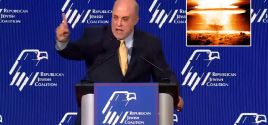
Mark Levin and Jonathan Pollard Push for Nuking Iran
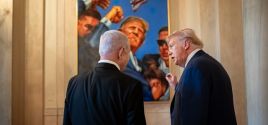
Trump Appears to Surrender Strait of Hormuz to Iran, Tells Allies to 'Go Get Your Own Oil'
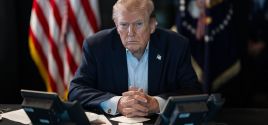
Trump Says U.S. Sent 'A Lot of Guns' to Iranian 'Protesters'
Trump Threatens Iran With Genocide If They Won't Meet His Demands: 'A Whole Civilization Will Die Tonight'

Reuters: Trump Approved Iran Strikes After Speaking With Netanyahu

|
 A bunch of folks sent over MPAA interim CEO Bob Pisano's incredibly misleading defense of the COICA censorship bill written recently for TheHill.com. It's amazing how many misleading or outright false statements Pisano was able to fit into a single piece but it's a testament to the level to which the MPAA must go through to support its plan for internet censorship: They're called rogue sites, and they exist for one purpose only: to make a profit using the Internet to distribute the stolen and counterfeited goods and ideas of others.Lovely misleading way to open the piece. In fact, many of the sites the MPAA has declared as "rogue" are nothing more than online forums. Some of them, yes, do involve people pointing each other to where they might obtain unauthorized copies of movies, but it's overly dramatic (though, hardly Oscar-worthy) to claim that the only purpose they serve is to profit from "the stolen and counterfeited goods and ideas of others." First of all, you can't steal an idea and I'm not sure how one downloads a counterfeit good. The economic impact of these activities -- millions of lost jobs and dollars -- is profound.Actually, the economic impact of those activities appears to be profound... but in the other direction. Recent independent research on the impact of weaker copyright laws has shown that it has helped increase the dollars flowing in the industry, not decrease it. Meanwhile, the studies that the MPAA relies on (which it helped finance) have been debunked by the US government itself. That's why dozens of labor organizations and business groups have come together to support legislation to provide the Justice Department with new enforcement tools to combat this growing menace to the American economy.The reason why those groups have all come together is because they're looking for the government to protect an obsolete business model. The labor organizations and business groups mentioned all have a rather long history of relying on government protectionism rather than being willing to compete in the free market. So it comes as no surprise that they wish to continue to get greater protectionism rather than face the realities of the marketplace, where they would have to actually innovate to compete. These sites take many forms, and their operators are located throughout the world. They have in common one characteristic: They materially contribute to, facilitate and/or induce the illegal distribution of both stolen lawful products, such as movies and television programs, as well unlawful ones, such as counterfeit goods, including prescription medications.Note two neat little (and extremely misleading) tricks by Pisano here. First, he is blaming the sites themselves rather than the users of the sites. It's the entire key to getting COICA approved. Pretend that the users of the site and the site itself are the same thing. It's a lie. Second, he tosses in the claim about prescription medicines. This is one of the older tricks in the entertainment industry's playbook. When they know their argument is weak when it comes to their content, conflate the issue with fake medicines to make it sound scary. Of course, the issue of fake medicines is entirely different than unauthorized file sharing. Lumping the two together is in ridiculously poor taste and incredibly misleading. Read More |