|



Bitcoin: Making Online Gambling Legal in the U.S.?By Caroline WinterBusiness Week Jan. 12, 2013 |
Popular 
America Last: House Bill Provides $26B for Israel, $61B for Ukraine and Zero to Secure U.S. Border

Report: Blinken Sitting On Staff Recommendations to Sanction Israeli Military Units Linked to Killings or Rapes
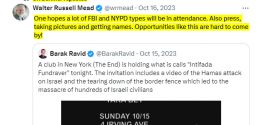
Bari Weiss' Free Speech Martyr Uri Berliner Wants FBI and Police to Spy on Pro-Palestine Activists

John Hagee Cheers Israel-Iran Battle as 'Gog and Magog War,' Will Lobby Congress Not to Deescalate

Telegram Founder Changed Mind on Setting Up Shop in San Francisco After Being Robbed Leaving Twitter HQ

|
 Michael Hajduk had sunk one year and about $20,000 into developing his online poker site, Infiniti Poker, when the U.S. online gambling market imploded. On April 15, 2011, a day now known in the industry as Black Friday, the U.S. Department of Justice shut down the three biggest poker sites accessible to players in the U.S., indicting 11 people on charges of bank fraud, money laundering, and illegal gambling. Player accounts were frozen, leaving thousands of Americans without access to their funds. “It was like a bomb went off,” Hajduk says. To continue gambling, “U.S. players were uprooting their families and moving to Malta. Crazy stuff was happening.” Hajduk, though, was barely fazed. Calgary-based Infiniti Poker, like several other new online gambling sites, plans to accept Bitcoin when it launches later this month. The online currency may allow American gamblers to avoid running afoul of complex U.S. laws that prevent businesses from knowingly accepting money transfers for Internet gambling purposes. “Because we’re using Bitcoin, we’re not using U.S. banks—it’s all peer-to-peer,” Hajduk says. “I don’t believe we’ll be doing anything wrong.” Read More |